Yeast Pitching Rates, an experiment


I am not a scientist, but have used test and measurement to good effect in my career. After reviewing my APAV2 notes, I underpitched by a significant factor. I intentionally pitched at the same rate as the previous brew to eliminate variables other than brewing liquor; however, it stalled and took a bit of teasing to rouse and finish fermentation. It ended very high. So, I really took a hard look at the online pitching calculators, as well as the instructions from Wyeast, White Labs, and Fermentis, and frankly, what the heck was I thinking pitching so low in the first place!
I prefer dry yeast, because of the convenience and costs; however, I am familiar with building starters up from single vials to the proper pitching counts. I don't want to mislead you. It's mentally challenging for me to pay for 4-5 vials of liquid yeast to pitch, so starters are required. For a 10-gallon batch, I usually have to make 2-3 steps. Yuck. I plan, and brewing a starter requires more advanced planning - and a long trip to the LHBS.
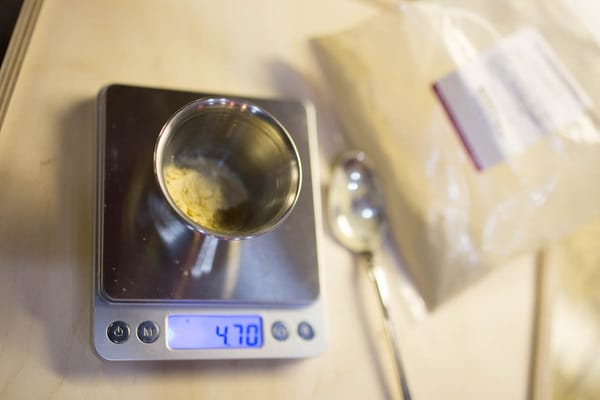
Proposed is a Belgian Dubbel with a straightforward grain bill, just high enough to push it out of the "1 sachet of dry yeast per 5 gallons of 1.040 gravity beer" realm, helping me gather objective data from subjective observation. I want to see EXACTLY what happens when you closely follow recommended pitching rates, intentionally underpitch, and intentionally massively overpitch. I split a 3-gallon BIAB batch into individual fermenters and VERY carefully weighed out the dry yeast into the appropriate gram weights. I rehydrated at 10X the weight and pitched warmish - at 86F. I am fermenting at warm temperatures, generally in the low 70s, to add more yummy phenols and esters.
I am already seeing results; all three batches are showing activity in less than 2 hours, with the overpitch showing significant krausen! Turns out that if you follow instructions, good things happen, at least with yeast.
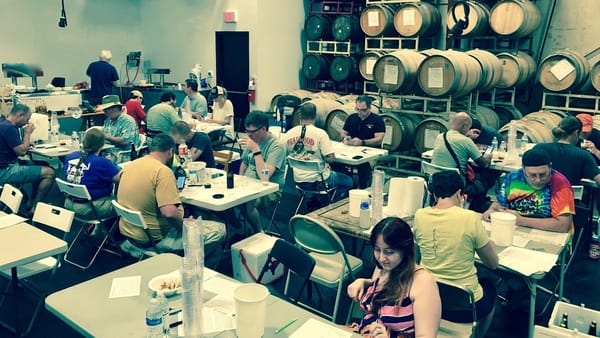
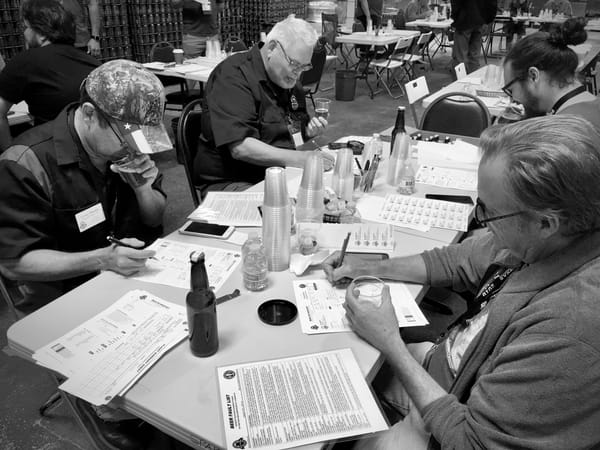
I hope that in about a month and a half, I can pull together a few people to conduct a blind tasting and gather empirical data on pitching rates. Ok empirical only about this batch under these conditions on this yeast... but still... good data.